Anaerobic digesters have become a key solution for facilities where organic waste management, operational continuity and energy recovery go hand in hand. In biogas plants, wastewater treatment facilities and industrial applications, it is not enough for the reactor to simply operate efficiently. Proper sizing, effective mixing, practical maintenance and long-term process stability are all essential to ensure optimum plant performance over time.
What are anaerobic digesters and how do they work?
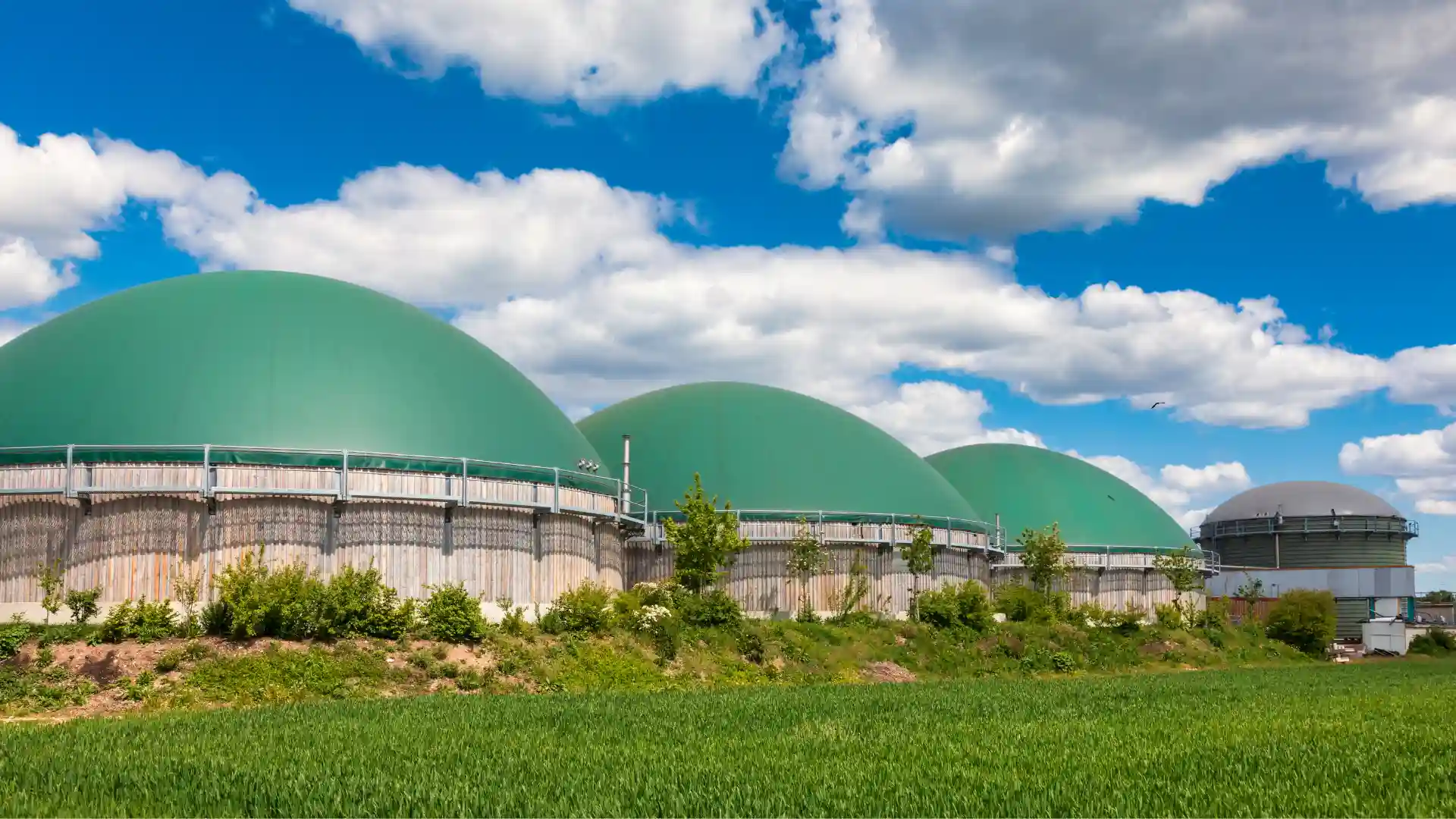
In today’s context of energy transition and sustainability, anaerobic digesters (also referred to within the industry as anaerobic digestion tanks) have established themselves as one of the most efficient technologies for organic waste treatment. These systems are essentially sealed reactors in which specialized microorganisms break down organic matter in the absence of oxygen.
The true value of anaerobic digestion lies in its central role within the circular economy. Rather than treating organic waste as a disposal problem, digesters convert it into two valuable resources: biogas, a renewable source of clean energy, and digestate, a nutrient-rich biofertilizer suitable for agricultural applications.
At Protech Continental Group, we understand that an anaerobic digester is far more than a storage tank. It is the core of a complex biological process that requires precise engineering design to maximize return on investment while ensuring reliable, long-term operation.
The anaerobic digestion process and biogas production
Anaerobic digestion takes place through a sequence of biological stages:
- Hydrolysis: Complex organic compounds such as proteins, fats and carbohydrates are broken down into simpler molecules.
- Acidogenesis: These compounds are converted into volatile fatty acids and other intermediate products.
- Acetogenesis: The intermediate compounds are transformed into acetate, hydrogen and carbon dioxide.
- Methanogenesis: During the final and most sensitive stage, methanogenic microorganisms convert acetate and hydrogen into methane, the main energy component of biogas.
Key components of an industrial anaerobic digester
To ensure stable operation, the digester tank must be integrated into a properly engineered system.
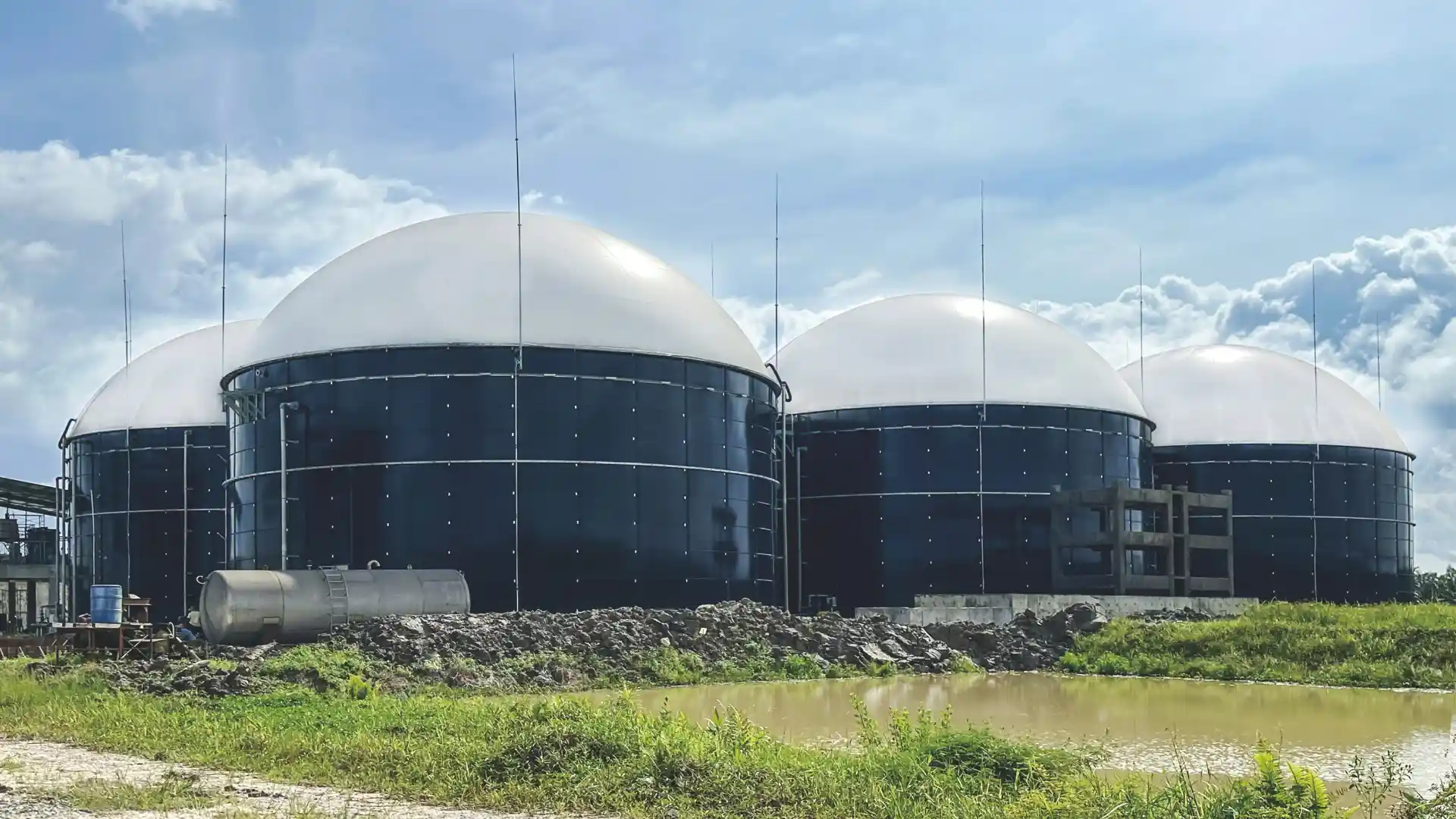
- Double membrane roofs: Double membrane gas holder roofs provide safe biogas storage while regulating gas pressure, making them an essential element of the overall process.
- Heating and insulation systems: Maintaining the process temperature within the required operating range is essential to preserve microbial activity and ensure process stability.
- Mixing systems: Effective mixing is critical to homogenize the substrate, eliminate dead zones, prevent sedimentation and improve gas release. An inadequately designed mixing system will inevitably reduce digester efficiency and shorten operational performance.
Types of digester tanks by construction material
The choice of construction material directly affects capital investment, maintenance requirements and the long-term durability of the installation.
Glass-fused-to-steel (GFS/GLS) digesters and tanks
Glass-fused-to-steel tanks combine the mechanical strength of steel with outstanding corrosion resistance. They are widely used in biogas applications where aggressive substrates and biogas components create highly corrosive operating conditions.
Beyond their durability, these tanks also offer modular construction, enabling faster installation and facilitating future plant expansions.
Stainless steel digesters and tanks (SS304, SS316 and Duplex)
Stainless steel tanks are often the preferred solution where superior chemical resistance or strict hygienic requirements are essential, particularly in selected food processing and industrial applications.
Epoxy-coated digesters and tanks
Epoxy-coated steel tanks can provide an effective corrosion protection solution for projects requiring lower initial investment. As with any tank technology, long-term performance depends on selecting the appropriate coating system according to the substrate characteristics and operating environment.
Main applications of biogas reactors
Municipal and industrial wastewater treatment
At wastewater treatment plants (WWTPs), anaerobic digesters stabilize sewage sludge generated during the treatment process. This significantly reduces sludge volume while simultaneously producing biogas, which can be used on-site to meet part of the plant’s energy demand and lower operating costs.
Co-digestion of agricultural and food industry waste
Co-digestion combines different organic substrates, such as livestock manure, fruit and vegetable waste, or food processing residues, to improve reactor performance and maximize biogas production.
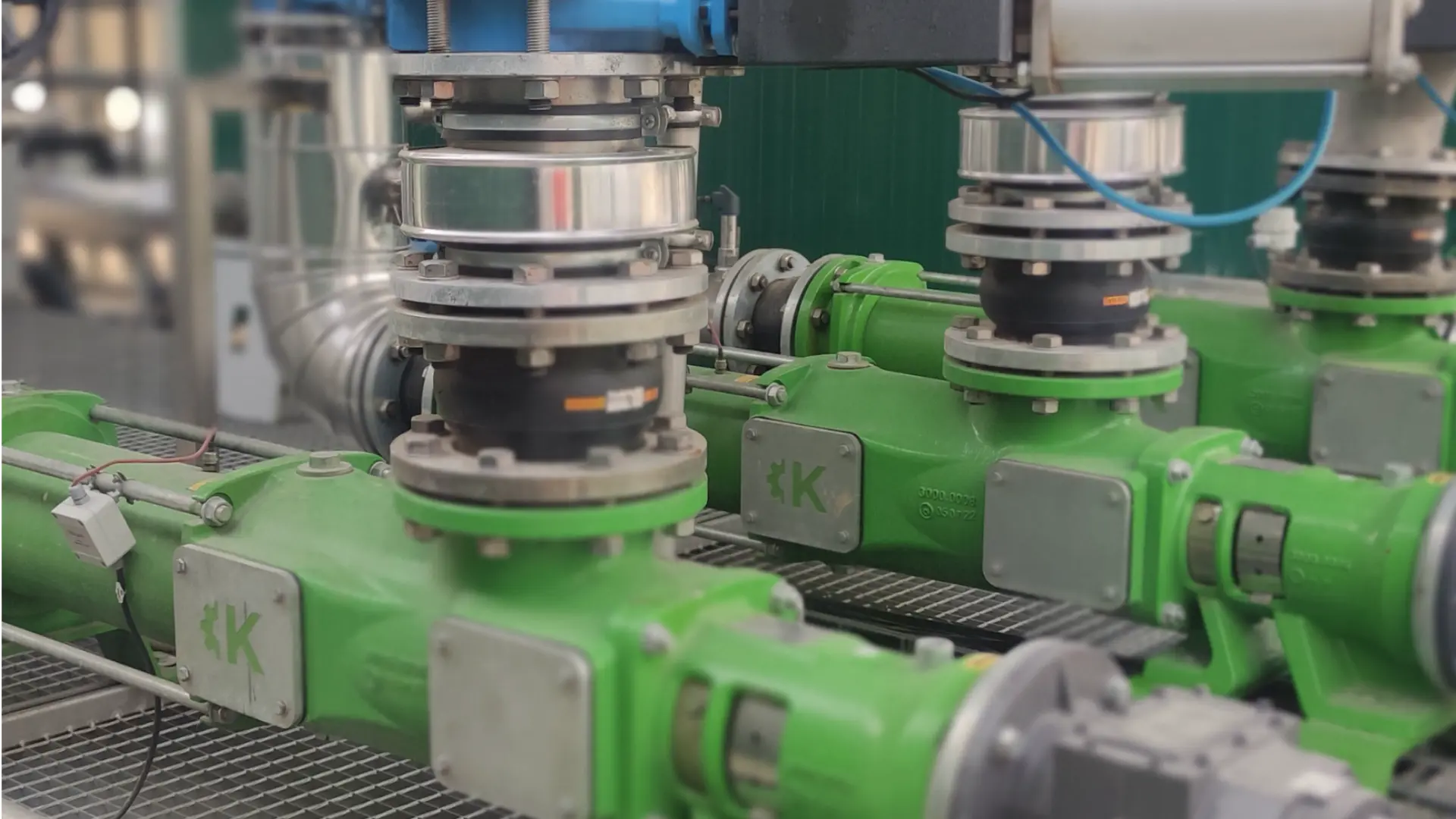
In these applications, selecting the appropriate pumping and mixing systems is essential, as different substrates require different engineering solutions.
Key factors for successful digester operation
Selecting the right mixing system
Poor mixing can lead to solids settling at the bottom of the tank, floating crust formation at the surface and loss of effective reactor volume. Over time, this reduces digester efficiency and increases operational challenges.
The mixing solution must always be adapted to the substrate characteristics, tank geometry and operating conditions of each installation. There is no universal solution.
Digester cleaning and emptying
Even well-operated digesters gradually accumulate sand, compacted sludge and other inert materials that reduce their effective working capacity. When this occurs, continuing normal operation is no longer sufficient, a planned cleaning and emptying intervention becomes necessary.
The value of this service lies not only in the equipment used but also in the ability to perform the operation safely, efficiently and with minimal disruption to plant operations. In complex facilities, this may include tank emptying, internal cleaning, sludge dewatering and proper management of the extracted waste.
Frequently asked questions about anaerobic digesters
What are the advantages of a glass-fused-to-steel digester compared with other solutions?
Glass-fused-to-steel combines the structural strength of steel with the chemical inertness of glass. Unlike concrete tanks, it is highly resistant to corrosion caused by hydrogen sulfide, eliminates the risk of cracks and gas leaks, and allows much faster modular installation.
When should a stainless steel digester be selected instead of a glass-fused-to-steel tank?
Stainless steel (particularly SS316 or Duplex grades) is recommended when processing substrates with extremely high chloride concentrations, operating at elevated temperatures, or where strict sanitary and hygienic regulations require specific surface finishes.
How does the mixing system affect the performance of biogas reactors?
The mixing system is one of the most critical factors affecting reactor performance. Inadequate mixing causes solids to settle at the bottom while floating crusts form on the surface. This reduces the effective reactor volume, limits biogas release and significantly decreases methane production.
How often should an industrial anaerobic digester be cleaned and emptied?
Although the maintenance interval depends on the reactor feedstock, a complete technical cleaning and emptying operation is generally recommended every three to five years. This removes accumulated inert materials such as sand and compacted sludge that cannot be displaced by the mixing system, restoring the digester’s original working capacity.
How is thermal insulation achieved in anaerobic digestion tanks?
To maintain the optimum process temperature (whether under mesophilic or thermophilic conditions) modular digestion tanks are externally fitted with insulation panels, typically mineral wool or polyurethane, protected by aluminium cladding. This minimizes heat loss and improves the energy efficiency of the heating system.