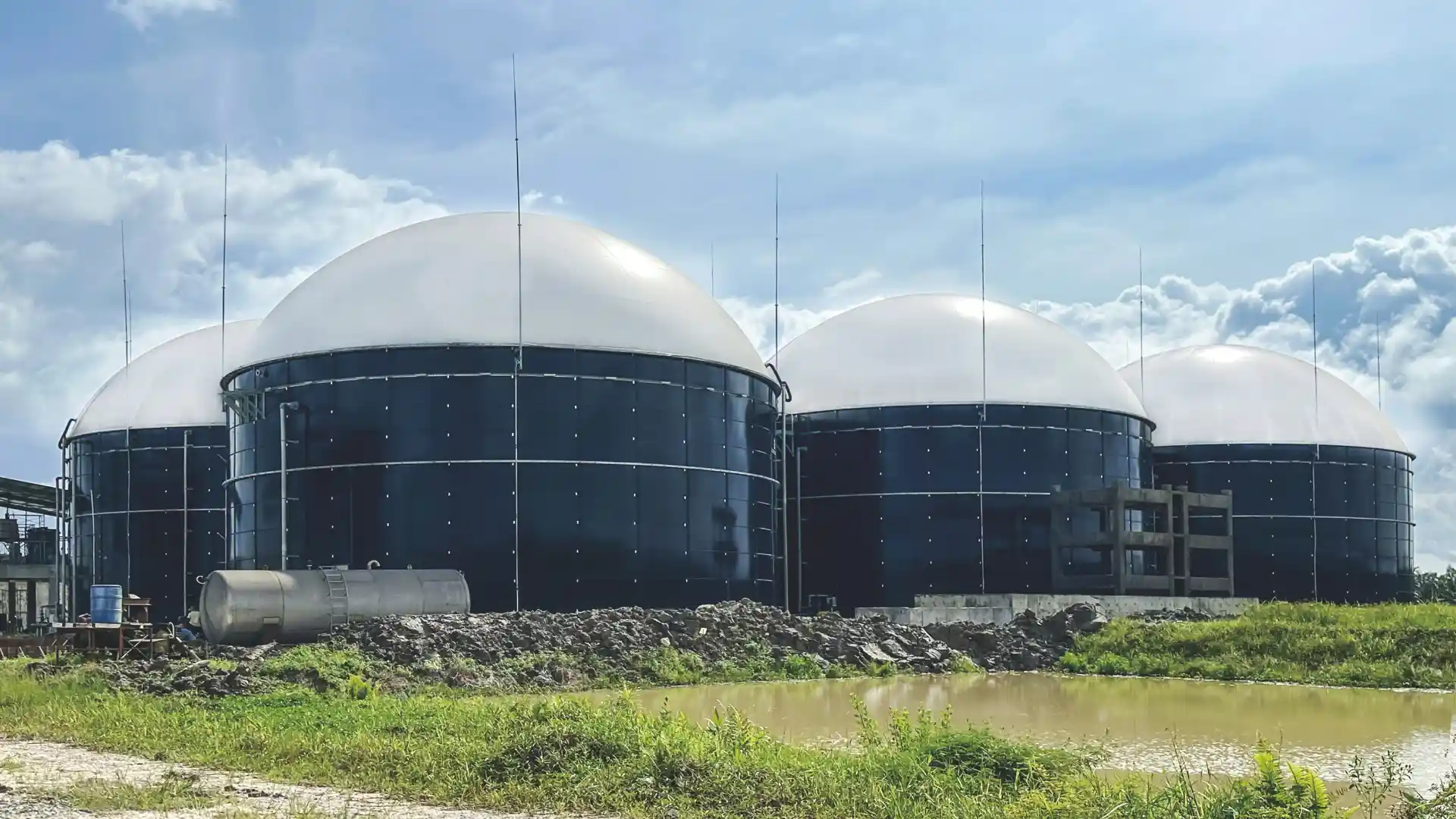
For years, anaerobic digestion has been a key technology in sludge management at wastewater treatment plants. However, its application has been limited mainly to medium and large facilities. Many small plants continue to generate unstabilised sludge, which complicates its management and reduces the possibilities for reuse, especially in agricultural applications.
Even in facilities with digesters, it is common to find poorly optimised processes that fail to exploit the full treatment potential. In this context, having a well-sized and properly operated anaerobic sludge digester makes all the difference in terms of efficiency and energy use.
What co-digestion offers
Co-digestion allows different types of organic waste, such as sewage sludge, food industry by-products and municipal organic waste, to be treated together. This combination improves the efficiency of the anaerobic digestion process and generates more biogas. It also stabilises the waste better and reduces the final volume to be managed.
In addition to the technical benefits, this approach facilitates the production of organic fertilisers that can be used in agriculture and reduces greenhouse gas emissions. From an economic point of view, it can lead to operational savings and, in many cases, a new source of income thanks to the energy recovery from biogas.
Why is co-digestion a suitable solution for implementation in wastewater treatment plants?
- Improved efficiency in biogas production: By combining various types of waste, co-digestion optimises the anaerobic process, increasing the amount of biogas produced and improving its use as a renewable energy source.
- Waste reduction: Co-digestion facilitates the joint treatment of different organic wastes, thus reducing the amount of waste that ends up in landfills or incinerators.
- Optimisation of treatment processes: Mixing different types of waste improves the stability of the digestion process, reducing the risk of failures or imbalances, such as the accumulation of toxic compounds or the lack of micronutrients that can arise when treating a single type of waste.
- Greater stability and control of the process: By combining waste with varying properties, the process becomes more stable, as certain materials help to compensate for changes in operating conditions such as temperature or pH.
- Generation of organic fertilisers: Co-digestion transforms sewage sludge into a useful resource as organic fertiliser, promoting agriculture and contributing to the closure of the nutrient cycle.
- Reduction of greenhouse gas emissions: Co-digestion, through anaerobic digestion, reduces the release of methane and other polluting gases that would be generated if the waste were treated in the traditional way, such as in uncontrolled landfills.
- Resource recovery: In addition to biogas, co-digestion facilitates the recovery of nutrients and other valuable materials that can be used to produce compost or in various industrial processes.
- Economic profitability: Biogas generation not only reduces the amount of waste, but also produces energy (electricity or biomethane), which can lower operating and sludge management costs, as well as generating extra income through the sale of this energy.
Applicable platform models
One of the most widespread approaches consists of using existing digesters to treat sludge from other plants. This makes use of underutilised infrastructure, improving its performance and expanding its actual treatment capacity. In many of these facilities, the anaerobic sludge digester becomes the core of the system, allowing for centralised and more efficient management.
Another option is to create regional sludge reception and rehydration platforms. In this model, a plant with greater capacity acts as a central treatment point, diluting and pumping the sludge received to an optimised digester.
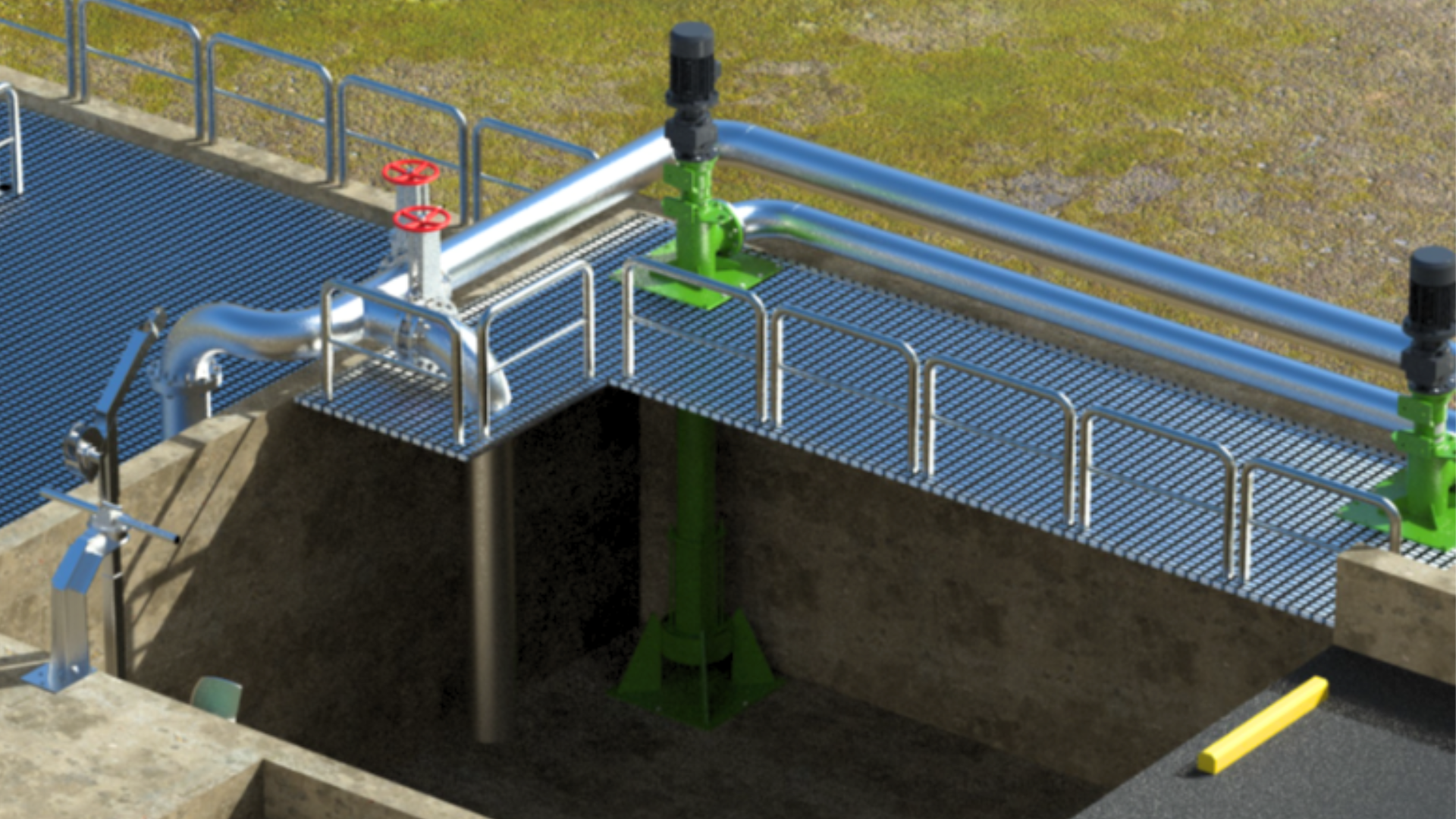
It is also possible to incorporate other by-products such as fruit and vegetable waste. In these cases, the platforms must have mixing, crushing and homogenisation systems adapted to this type of material. This combination of waste improves digestion by activating metabolic pathways that do not develop with a single type of substrate.
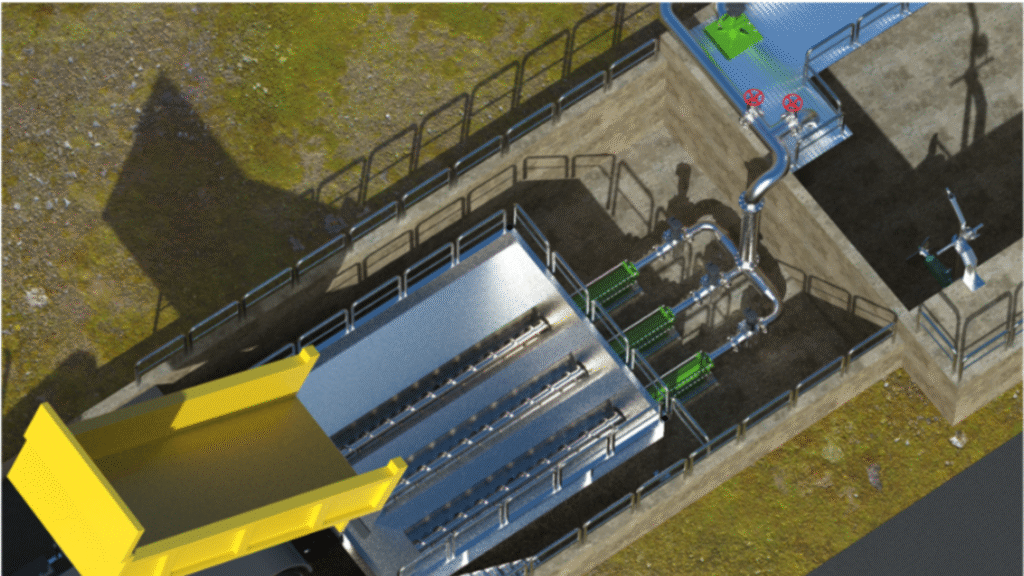
Fruit and vegetable waste reception platform
Key elements for effective implementation
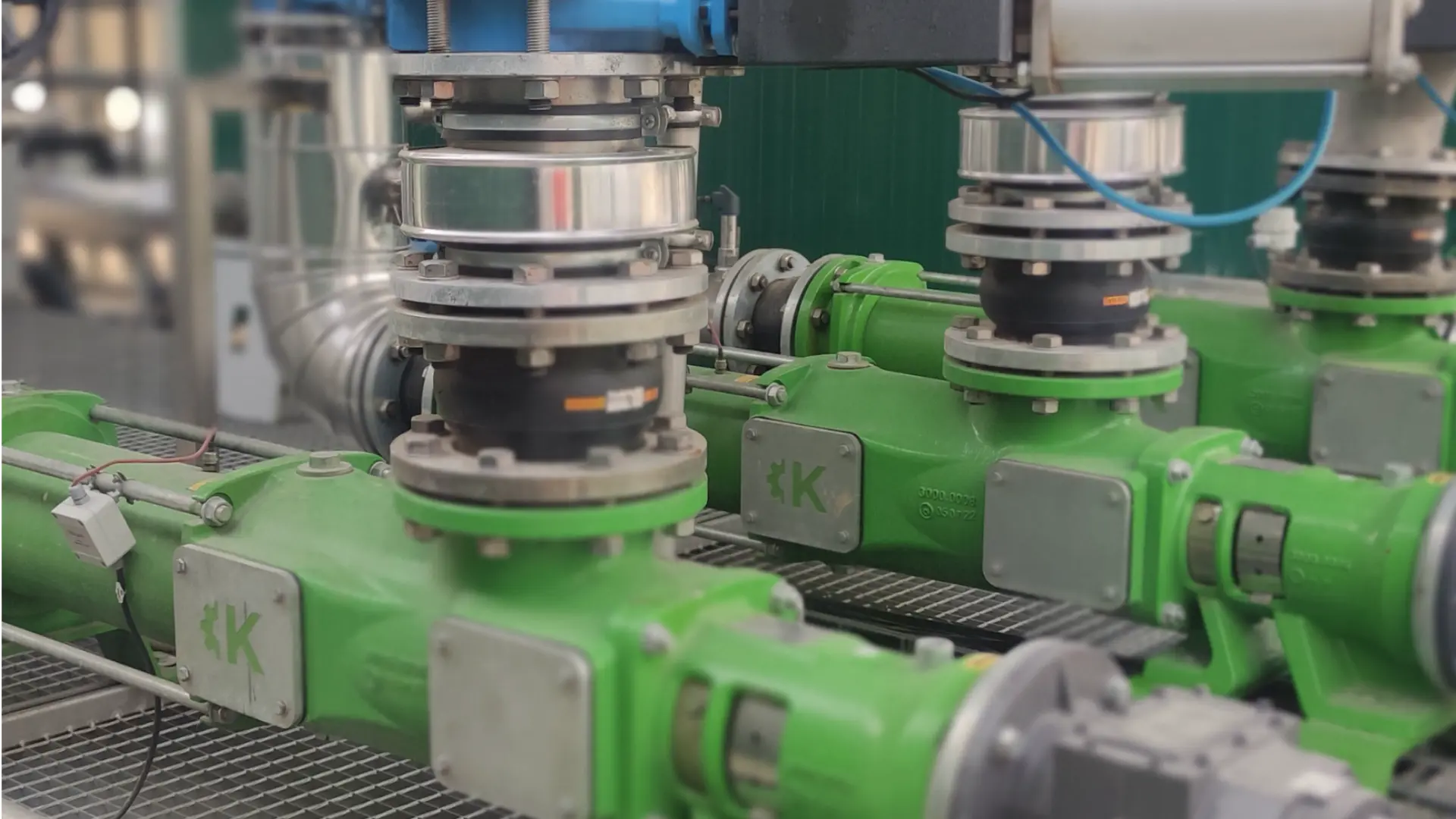
To ensure the smooth operation of these platforms, it is essential to have robust and reliable technologies: mixing pumps, macerators, agitators, compact metal digesters, among others. Care must also be taken in the design of reception and emission control systems to avoid odour and accumulation problems that interfere with operation.
The role of public administrations is equally important. Aid programmes such as the PERTE for Biogas, together with a simplification of bureaucratic management, can accelerate the implementation of these solutions throughout the territory.
A commitment to the circular economy
At Protech Continental, we work to promote solutions that transform wastewater treatment plants into genuine biofactories. Co-digestion platforms enable the nutrient cycle to be closed, renewable energy to be generated, waste to be reduced and the operational and economic sustainability of plants to be improved.
If your facility is looking to move towards a more efficient and circular model, we are ready to support you.