When discussing wastewater treatment solutions, it is common to focus on purification technologies. However, in practice, many of the problems at the plant do not arise from the process itself, but from how the fluid is managed at each stage.
Wastewater is not a constant medium. It changes in composition and behaviour throughout the process: transitioning from water laden with solids to a treated water stream and one or two streams of dense, viscous sludge. Understanding these changes is key to correctly selecting equipment and avoiding operational issues.
Water inlet: variable flow and presence of solids
In the intake phase, the fluid typically contains coarse solids, fibres, grit, and non-biodegradable materials. At this stage, pumping should not focus solely on flow rate, but on the capacity to handle laden water without causing blockages.
Wastewater treatment solutions at this stage are typically based on centrifugal pumps designed for solids handling or self-priming equipment that allows for rapid internal access in the event of a blockage.
When equipment not prepared for these conditions is selected, the most common plant problems appear: recurring blockages and constant maintenance, which have a high impact on both local residents and plant operators regarding Health and Safety (H&S).
Pre-treatment: reducing the impact of solids
As the water moves through the process, the objective is not only to transport it but to protect the equipment and the system.
In this phase, fluid behaviour is dictated by the presence of materials that can damage or block equipment. Therefore, many wastewater treatment solutions incorporate shredding or maceration systems that reduce the size of solids and stabilise the flow, as well as specific equipment for handling complex substrates with high solids content.
This step is vital to avoid incidents in later stages, especially in more demanding pumping applications or biological systems.
Treatment and transfer: process stability
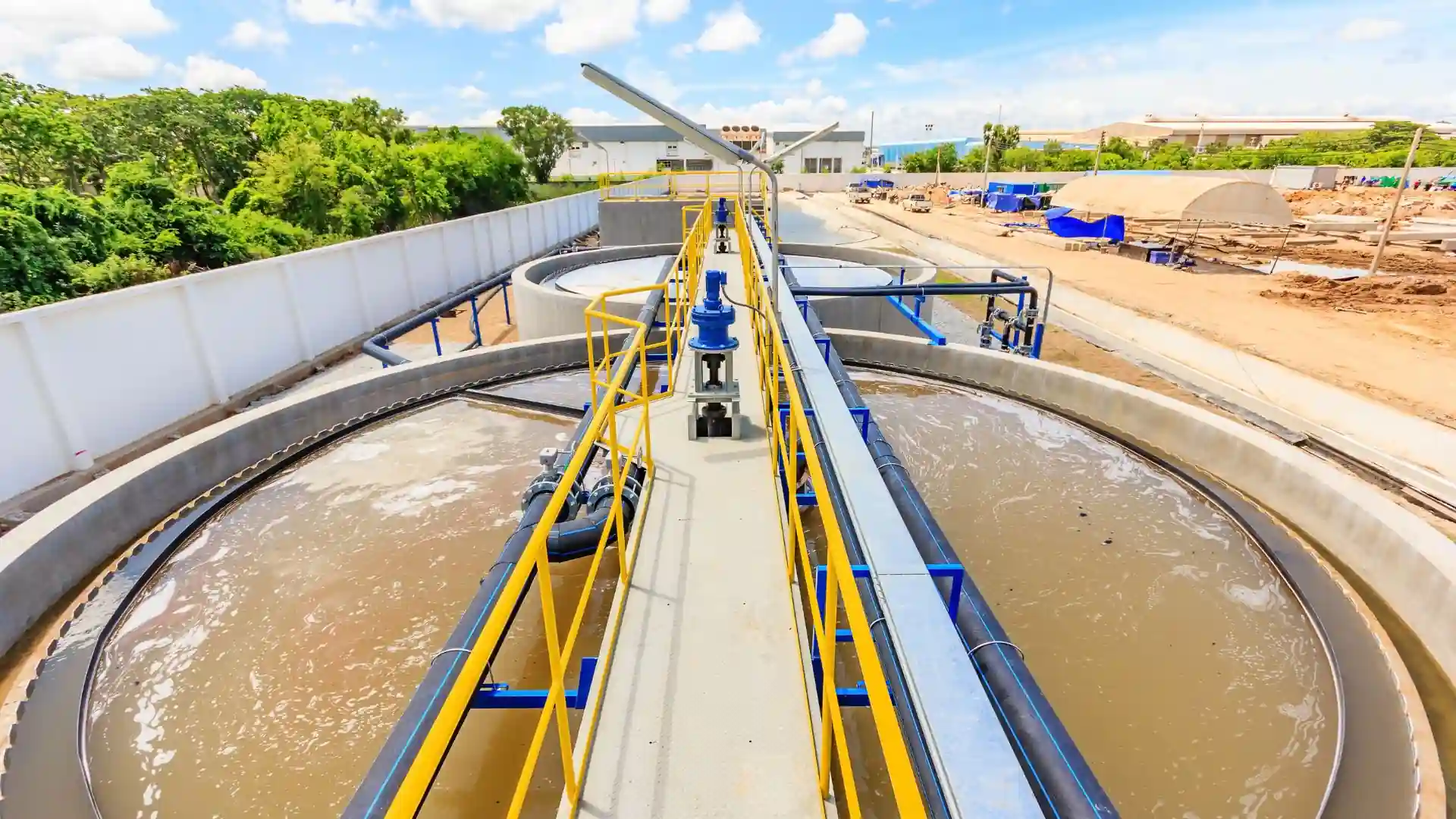
In intermediate phases, the fluid may appear more homogeneous, yet it remains unstable. Variations in flow and pollutant load require solutions capable of adapting without losing performance.
Here, pumping must be able to maintain a constant flow without generating peaks or interruptions, as any alteration can directly affect the treatment process.
Consequently, equipment reliability and its ability to adapt to variable conditions are determining factors in the selection process.
Sludge management: a complete change in behaviour
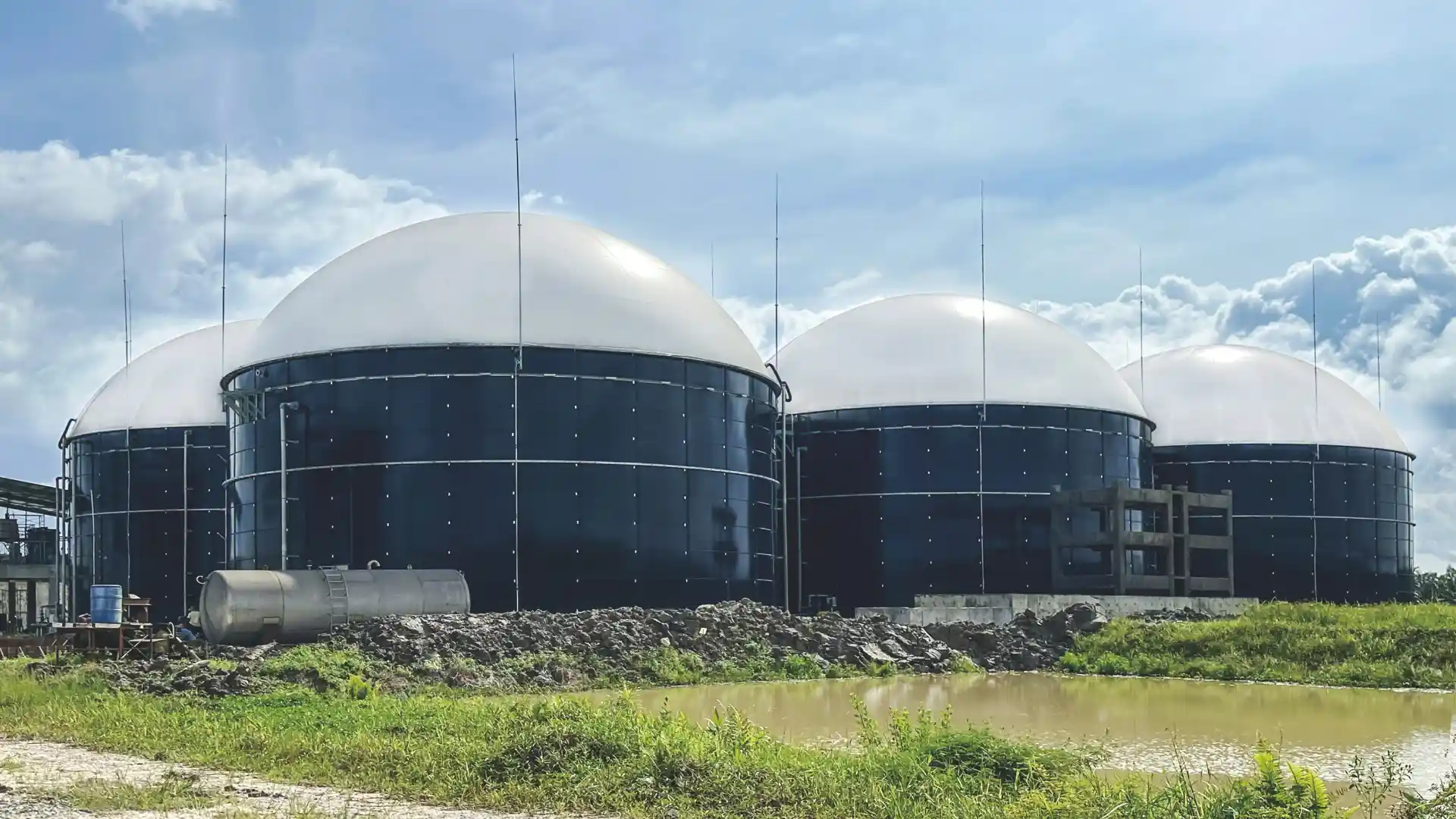
The most critical point in wastewater treatment occurs with sludge. Here, the fluid stops behaving like water and becomes a viscous product with a high solids content. In these types of applications, having specific solutions for sludge handling and dewatering is key to maintaining process stability.
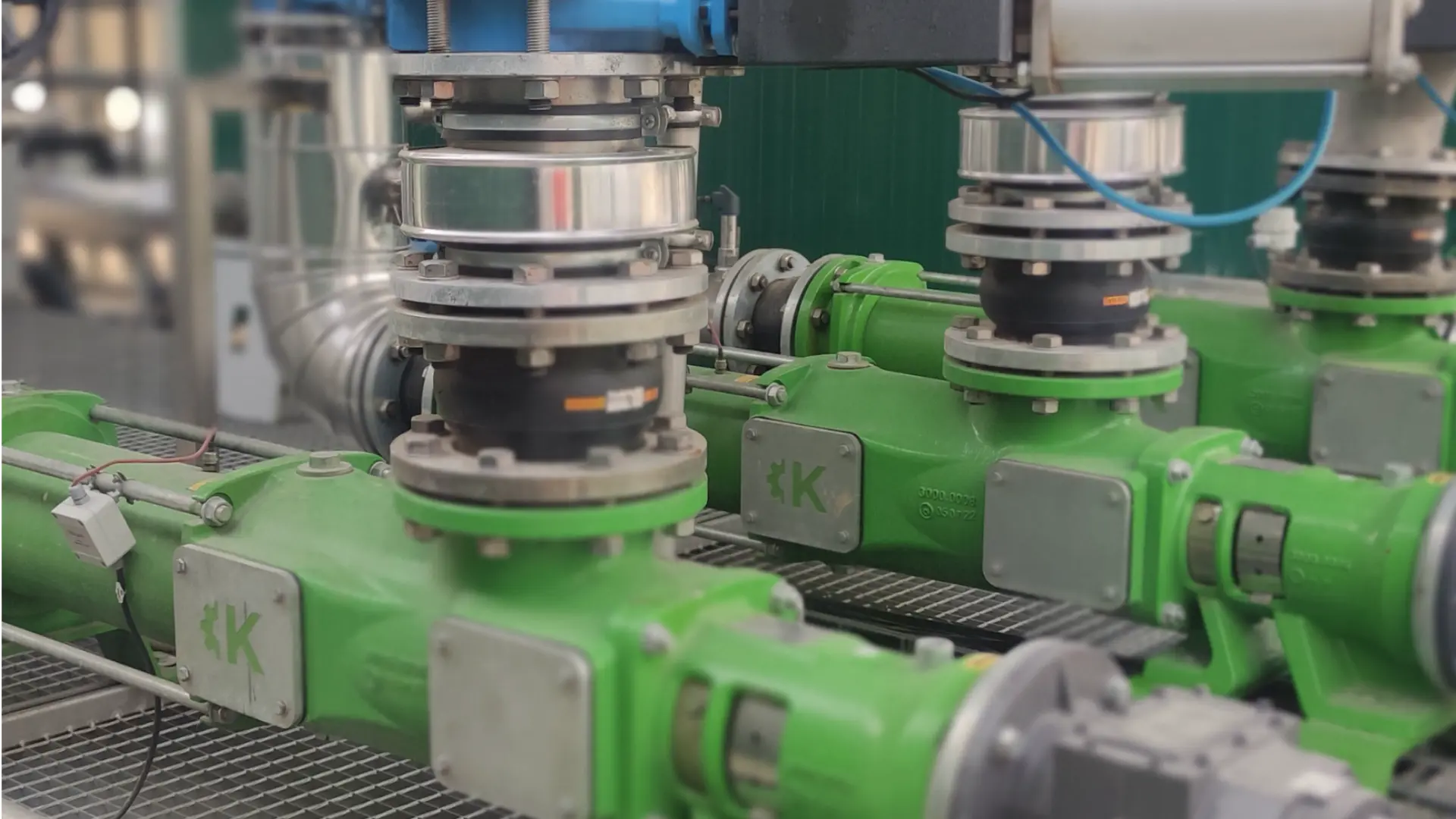
Under these conditions, wastewater treatment solutions require specific technologies, such as progressive cavity pumps, which are capable of operating with stable flows regardless of pressure and with less sensitivity to viscosity. These technologies are also applied in processes such as co-digestion or sludge platforms, where fluid behaviour presents similar challenges.
The use of unsuitable equipment in this phase usually results in accelerated wear, loss of performance, and frequent blockages.
What truly determines a good solution
Analysing wastewater treatment from a pumping perspective highlights a key point: there is no single solution valid for the entire process.
Each phase requires equipment adapted to the fluid’s behaviour at that specific moment. The most efficient installations are those that:
- Select different technologies depending on the stage.
- Take the presence of solids into account from the start.
- Prioritise reliability and straightforward maintenance.
This approach is what allows for a reduction in incidents and guarantees stable, long-term operation.
Wastewater treatment solutions must be evaluated based on how the fluid evolves throughout the process.
From intake to sludge management, each stage presents distinct challenges that require specific technologies. Understanding these changes is essential for selecting the appropriate equipment and avoiding operational problems at the plant.
If you are evaluating different wastewater treatment solutions and want to ensure you choose the most suitable option for your facility, Protech Continental Group can help. We analyse each case based on real fluid behaviour and operating conditions to propose reliable technical configurations tailored to your process. Contact us and we will provide expert advice without obligation.