In the purification sector, the supply and purchase of rotors for screw pumps of very low quality is still common. These types of components, made from carbon steel with surface coatings such as ductile chromium, may appear to be a cost-effective option in the short term, but they hide great risk.
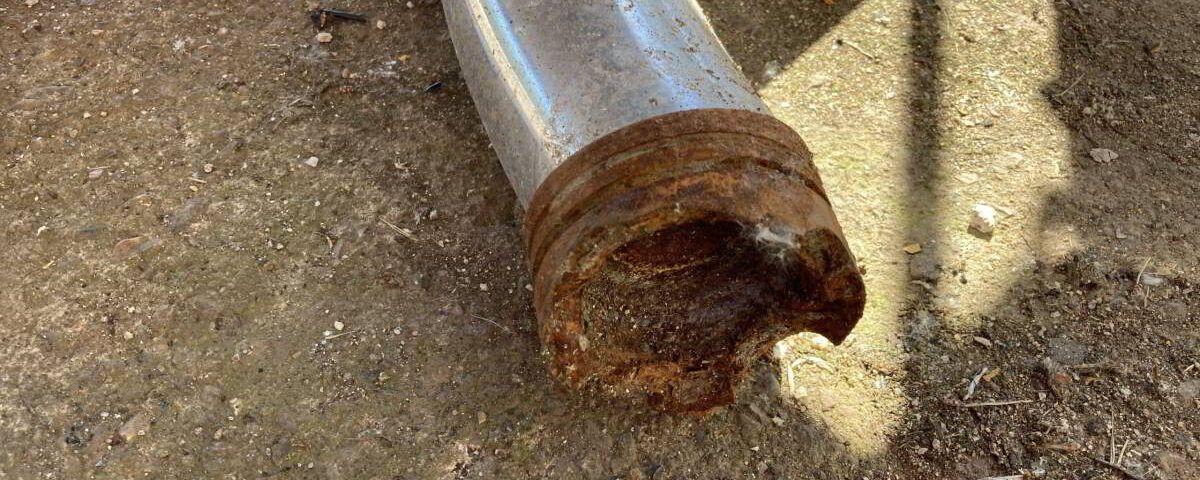
As seen in the image, the use of these materials causes rapid corrosion in aggressivemedia such as thickened sludge. In this particular case, the rotor head, which is the critical connection area to the transmission, has completely disappeared after a few months of use, resulting in a serious failure and an unexpected system shutdown.
Why are there no helical pumps adapted to the environment of a WWTP?
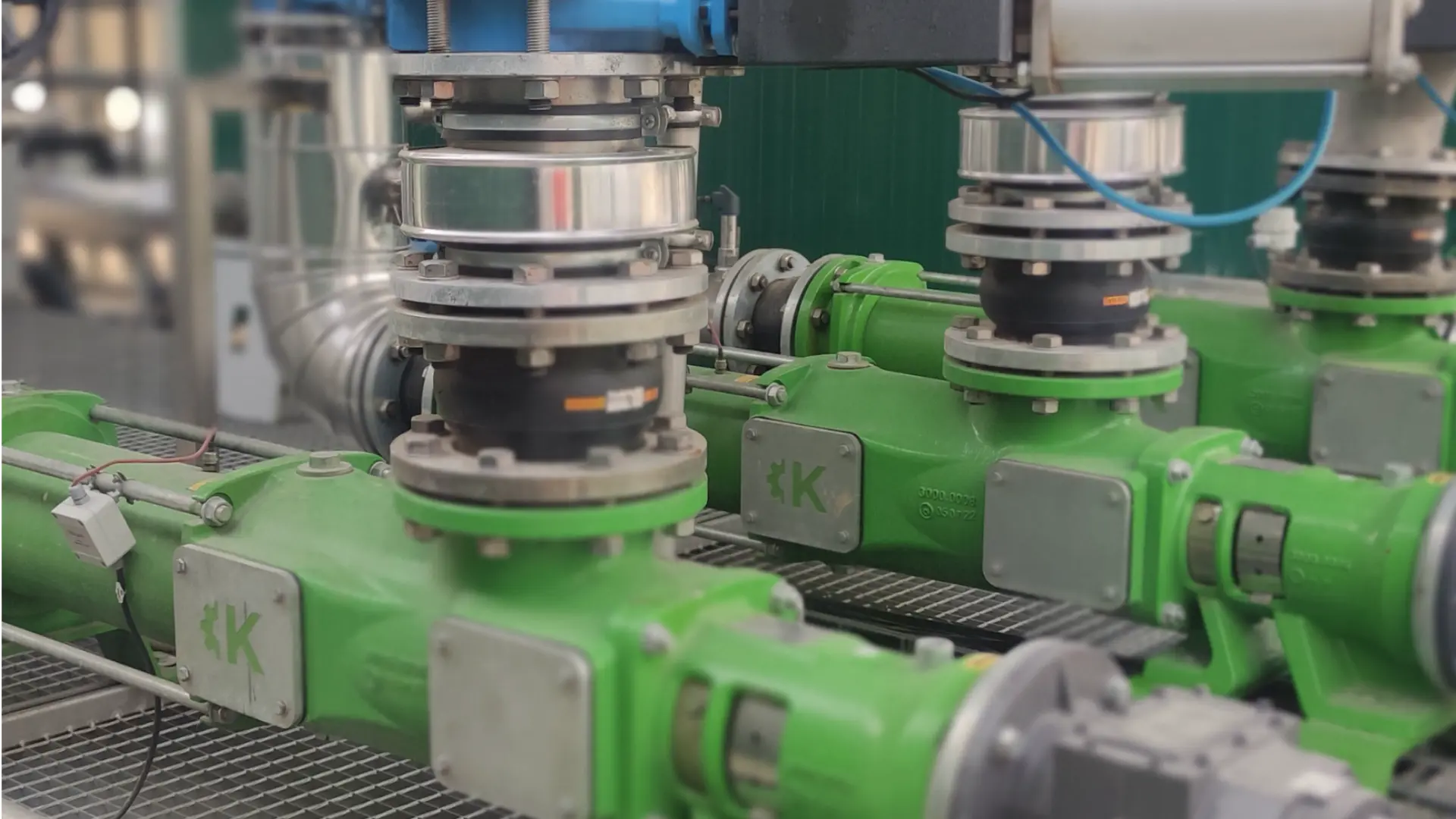
At Protech Continental,we have been warning about this situation for years and betting on reliable long-term solutions. We recommend and install
premium quality screw pumps, with:
- Rotors made of stainless steel, resistant to abrasion and corrosion.
- Advanced geometries, different from the classic “L” type profile, which improve pumping efficiency and reduce wear.
In spite of this, it is paradoxical to see how some well-known manufacturers continue to market low cost screw pumps and how certain EDP operators continue to purchase them, prioritising the cost of acquisition over the total cost of ownership, which includes maintenance, stoppages and spare parts.
Technical advice makes the difference
In environments such as waste water treatment plants (WWTP), the correct choice of materials and components is key to avoiding downtime, extending equipment life and optimizing performance.
Si desea evitar problemas como estos y If you want to avoid problems like these and ensure an efficient investment, consult with the Protech Continental. We will help you to select the most suitable helical pumps according to your application and actual working conditions.