SAND TRAP GR-T3: Anti-jamming pumps for efficient blasting of sandblasters

One of the most common problems in wastewater treatment plants (WWTPs) is the recurring clogging of submersible pumps. installed on sand-blasting bridges. This situation leads to high maintenance costs and long downtimes.

A robust solution for pumping in desanding plants

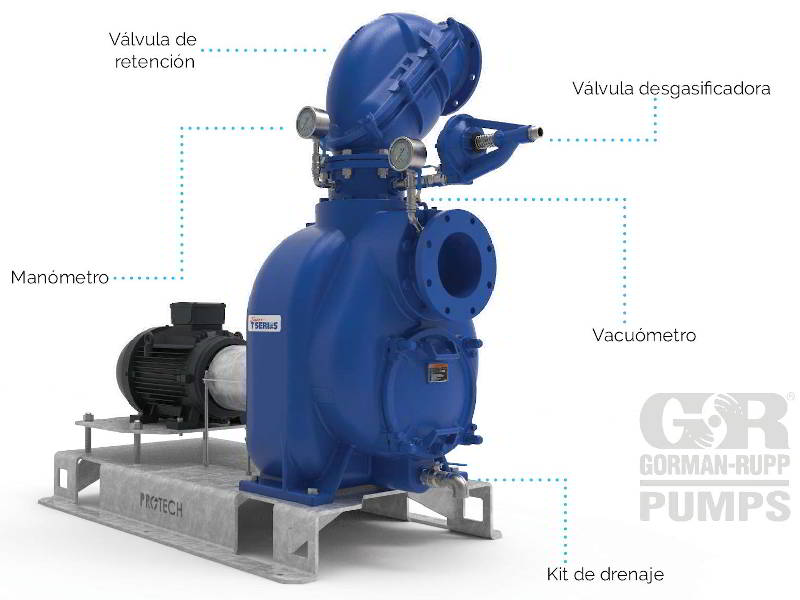
To solve this problem, more and more EDR’s are relying on Gorman-Rupp T3self-priming pumps, specifically designed for the management of solids in demanding conditions. Equipped with the innovative Eradicator® system, these pumps allow an efficient evacuation of sands, rags and fibers that accumulate in the desarenadores.

bombasautoaspirante-desarenadores
desarenador-sandtrap2

Advantages over traditional submersible pumps

The difference is clear:

  • Intervention time: in the event of a blockage, an intervention of 20 minutes is sufficient to make the pump operational again.

  • Reduced downtime: compared to the 2 or 3 days needed to repair or replace a submersible centrifugal pump, the GR-T3 minimizes downtimes.

  • Dry and accessible maintenance, no need to remove the pump from the well.

Longer service life and less wear due to anti-jam design.

If your plant is still dependent on traditional submersible systems in sand strippers,it’s time to consider a change. Operational reliability, ease of maintenance and cost savings more than justify the investment.

Contact us to study the best solution for your sanding processes. We have pumps for rent or sale, ready to improve the performance of your SHD.


Share the post

Previous posts

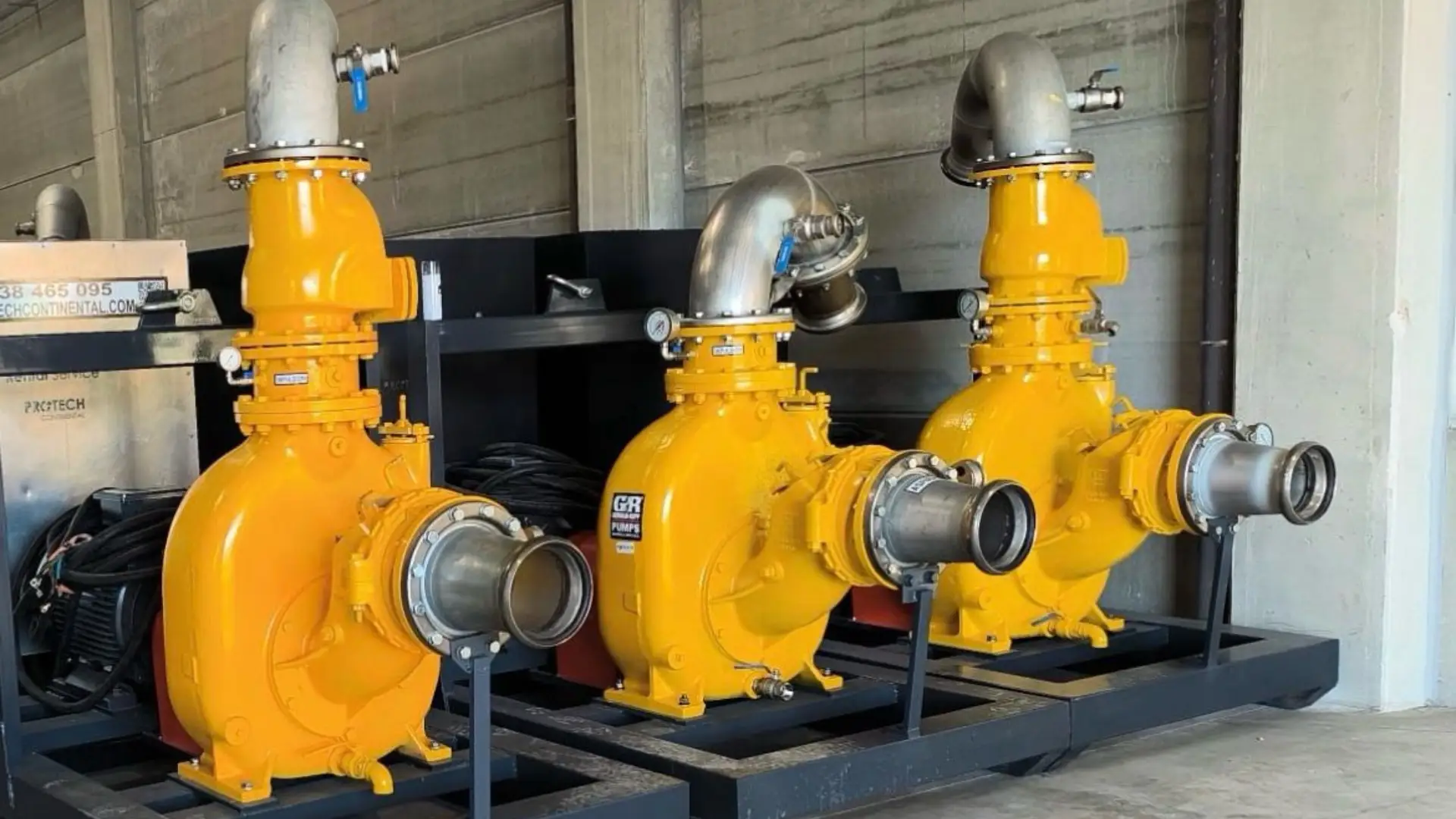
Yellow industrial rental pumps for temporary pumping, installed on a skid in a technical facility.

Pump rental for maintenance shutdowns: key sectors and temporary solutions

Pump rental is a temporary solution designed to maintain operational continuity when an industrial facility undergoes a planned maintenance shutdown, experiences a breakdown or requires a bypass during maintenance work. In practice, it provides a temporary replacement for a main pump, supports a critical transfer operation or manages dewatering without interrupting the process.
Read more
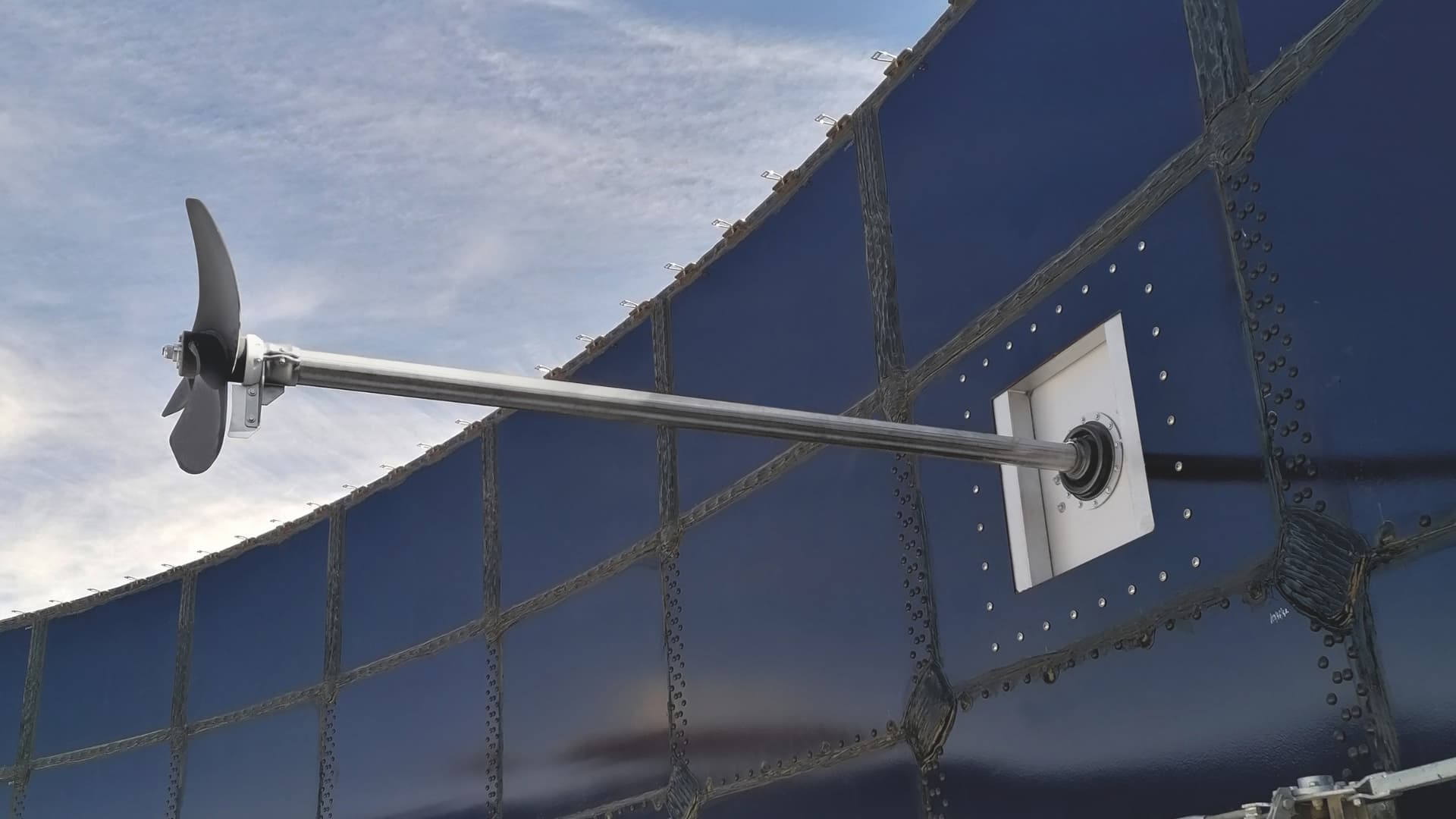
Biogas digester stirrer installed on the exterior of a large digester.

How to size a stirrer for a biogas digester based on diameter, height and substrate type

Sizing a stirrer for a biogas digester involves more than considering volume alone. Diameter determines horizontal coverage, height defines vertical reach, and substrate type determines the risk of sedimentation, crust formation or loss of homogeneity. The practical consequence is clear: poor agitation can compromise process stability, increase stirrer energy consumption and raise total operating costs.

Read more